Shop By



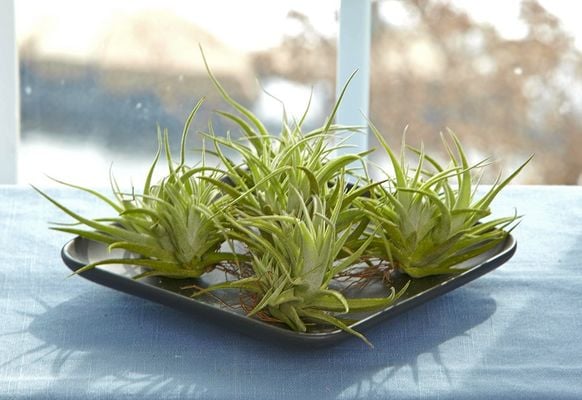
Air plants live without soil and without taking anything from whatever they're perched on, which is strange enough on its own. But it's the bloom that catches people off guard, because everything about how the plant is sold, tucked into a shell, glued to driftwood, sitting in a terrarium, tells you it's decoration, not a living thing working toward something. Underneath the styling, it's a plant partway through a very long project, and the color change is the first sign the project is nearly finished.
We asked Joan, who spent thirty years on the bench before she started taking calls for Lily's Florist USA, to walk through what's actually happening. Cut flowers and air plants aren't related, but the mechanics that make a bud hold back until it's stored enough energy, or a bloom keep its color a little longer in the right conditions, are the same mechanics. Joan has spent three decades reading exactly that.
By the end of this, you'll know how to tell a bloom starting from a plant genuinely in trouble, how long the show lasts, and which species make the most of their one shot. If you're buying one as a gift rather than nursing your own, that last part matters most. Some species barely announce themselves. Others turn into the kind of thing people photograph and send to a group chat.
In this guide
The Flower Nobody Warns You About
The inflorescence pushes straight up from the center. It's stiff, almost woody, and nothing like the petal shape people expect.
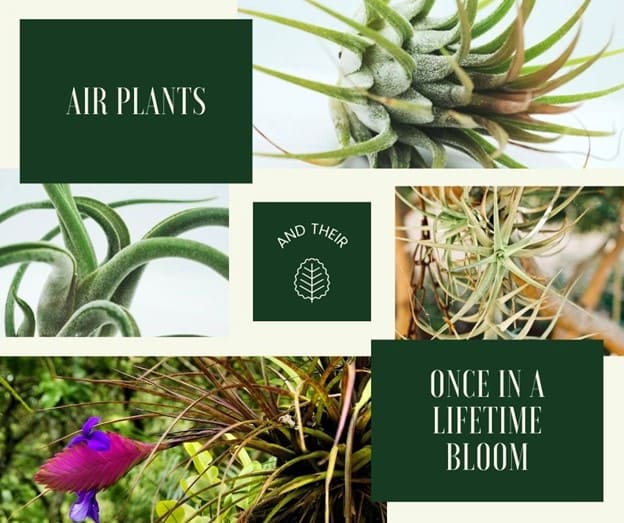
I'll admit the first time I heard the word for an air plant's flower, I had to ask someone to spell it: inflorescence. Nothing about it looks like a rose or a tulip. It's a stiff, almost woody stem that pushes straight out of the center of the plant, sometimes taking days to unfurl, and it can carry one flower or a whole cluster depending on the species.
Some inflorescences fan out into bracts, with smaller flowers opening one at a time along the edges over a week or two. Others produce a single bud on a short stem and are done in a matter of days. A few throw up several blooms at once, all opening together, which is the version most people picture when they think "air plant flower."
I don't work with air plants on the bench the way I worked with roses and gerberas, but the biology underneath is the same biology I spent thirty years reading. A plant blooms when it has stored enough energy to gamble on reproduction, and smaller stems with less stored energy tend to open fast and finish fast. Bigger, older plants can afford to draw it out over weeks. It's the same reason a tight rosebud that's stored plenty of sugar opens properly and one that was cut too early just sits there. The stem tells you what it can afford.
Air plants only bloom once. After the flower fades, the plant has spent everything it had, and it won't flower again. What it does instead is put its remaining energy into "pups," small offsets that grow at the base and eventually become their own plants. The parent plant dies. The pups carry on.
How Long It Takes, and How to Speed It Along
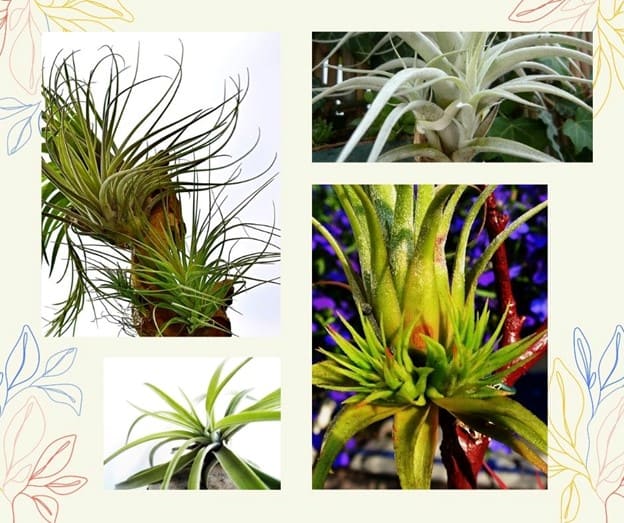
Size and species decide the timeline more than anything you do to the plant.
There's no single countdown clock. Smaller species tend to have shorter life cycles and reach blooming maturity faster, sometimes within a year or two of being a pup. Larger, slow-growing types can take several years before they're mature enough to flower at all. Once a plant does start, the bloom itself can last anywhere from a few days to a couple of months depending on the species.
You can't force an air plant to bloom before it's ready, but you can stop working against it. I won't pretend there's a secret shortcut buried in here, because there isn't. Four things matter more than anything else.
Light, but the right kind
This is the one that trips people up, because "more light" seems like the obvious way to help. It isn't. Bright, filtered light is the target. One to three hours of direct morning sun is fine and actually helps. Direct midday sun, especially behind glass, will scorch the plant faster than it will encourage a bloom.
Consistent humidity
If misting twice a week still feels like guesswork, that's normal. Air plants don't wilt or droop the way a potted plant does when it's thirsty, so there's no obvious cue to go by. Air plants pull moisture from the air through tiny scales on their leaves called trichomes. A weekly soak plus a light misting a couple of times a week in a dry house keeps the plant hydrated enough to put energy toward flowering instead of just surviving.
A little fertilizer
This is the step most people skip, understandably, since it feels optional. It isn't required, but a diluted, air-plant-specific fertilizer applied roughly twice a month gives a mature plant the extra reserves it needs to commit to blooming rather than just maintaining itself.
Patience, mostly
Two years of misting a plant that shows no sign of doing anything is genuinely deflating, and it's fair to wonder if you're the problem. Usually you're not. A plant that isn't mature enough won't bloom no matter what you do. If yours is young, the honest answer is that it needs time, not a different care routine.
What Actually Triggers a Bloom
Four factors decide whether a plant is close to flowering or years away.
Maturity
The plant needs enough stored energy to gamble on reproducing. No shortcut speeds this up.
Light
Bright, filtered light with a little morning sun. Direct midday sun does damage, not encouragement.
Feeding
A diluted feed twice a month gives a mature plant reserves to spend on flowering instead of survival.
Stress response
A plant nearing the end of its life cycle often blooms as a last reproductive push before it fades.
Reading the Signs It's Actually Happening
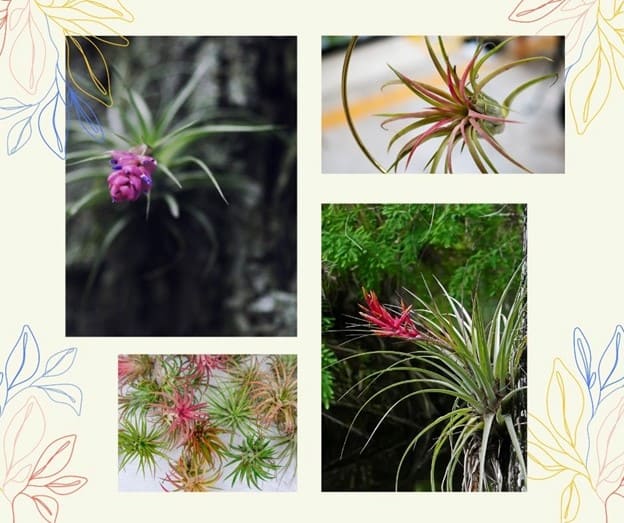
The blush usually arrives before the inflorescence itself is even visible.
The moment the color starts to shift, most people's first thought is "did I kill it." That reaction makes sense. Nothing else about this plant has changed in months, and now it's turning a color it's never been. Here's how to tell which one you're actually looking at.
Most air plants "blush" before they bloom. The color shifts, often to a brighter red, pink, or orange, sometimes across the whole plant and sometimes just at the center. That color change is one of the most reliable early signs, and it typically shows up before the inflorescence itself is visible.
After the blush, watch the center of the plant. A stiff new growth pushing up from the middle, different in texture from the regular leaves, is the inflorescence starting to form. It can take anywhere from a few days to a few weeks to fully open once it appears.
The one exception worth knowing: color change combined with soft, mushy leaves usually isn't a bloom starting. That's overwatering or rot, and it needs a different fix entirely, not more misting.
Which Sign Are You Seeing?
Match what's actually on the plant to what it means.
Color is changing
This is usually the blush stage, the earliest sign of blooming. It can take a few weeks for the inflorescence itself to appear after the color starts to shift. Keep the light and misting routine steady and let it happen.
A stiff spike appeared
That's the inflorescence forming. Depending on the species, it can open within days or take several weeks. Avoid moving the plant around too much while it develops.
Leaves gone soft
Soft, mushy leaves usually mean rot from overwatering rather than a bloom. Let the plant dry out fully between soaks and check that water isn't pooling in the base after misting.
Small new growth at the base
Those are pups. If the parent plant has already bloomed and faded, this is exactly what should happen next. The pups can stay attached and grow as a cluster or be separated once they're about a third the size of the parent.
A tight bud that hasn't stored enough sugar just sits there. It's the same story whether you're looking at a rose or a bromeliad. The stem tells you what it can afford.Joan, Florist Guidance, 30 Years on the Bench
The Showiest Bloomers, Ranked by Drama
Some species barely bother. The flower shows up small, lasts a few days, and is easy to miss if you're not looking for it. These five actually deliver on the drama, with color changes and bloom shapes dramatic enough to earn a photo.
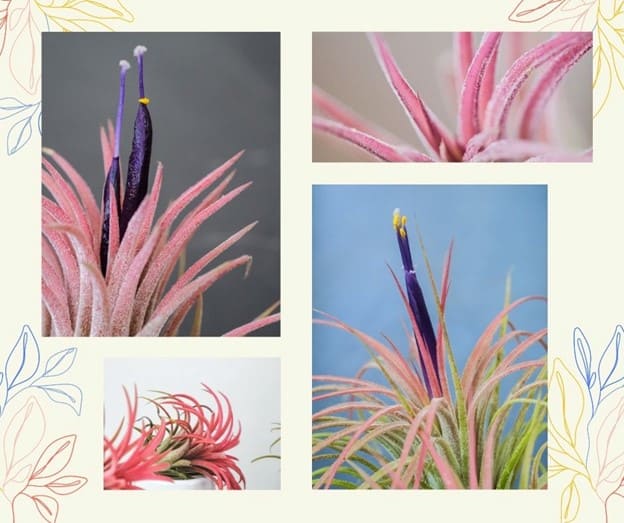
Tillandsia aeranthos
Elongated inflorescence, blue-purple bloomNative to Argentina, Uruguay, and southern Brazil, and one of the more cold-tolerant species on this list. The bloom looks close to a fuchsia flower and grows from a long, reaching stem.
Tillandsia bulbosa
Tentacle-leaved, red bract with purple bloomWhen it flowers, the upper leaves flush red and a small red bract opens with a purple-petaled bloom at the base. The whole plant changes character.
Tillandsia concolor
Xeric type, firm leavesNative to Mexico and Central America and built for drier conditions than most on this list. The inflorescence is a red-and-green, quill-shaped spike with magenta blooms breaking through the center.
Tillandsia funckiana
Needle-thin leaves, tubular red bloomA cluster of light green, needle-thin leaves with a long tubular red flower emerging from the tip. Odd-looking right up until it blooms.
Tillandsia ionantha
Silver-green shifting to pink-redStarts silver-green and blushes pink-red at bloom time, with tubular purple flowers bursting from the reddened center. Often the first one people notice changing color.
Giving One as a Gift
An air plant is an easy thing to hesitate on as a gift. It's small, it's a little strange-looking, and it doesn't come with the built-in effort signal a big bouquet does. That hesitation doesn't hold up once you look at what these plants actually ask of a recipient. An air plant makes an odd but genuinely good gift, mostly because it asks so little of the person receiving it. No pot, no soil, no dedicated windowsill required. A weekly soak and it's fine balanced on a desk or a shelf. That low-maintenance angle is exactly why they show up so often in housewarming gifts and corporate gifting, where the recipient needs something that survives being forgotten about for a few days.
People calling about air plants aren't usually marking a big occasion. It's more often someone who wants to send something a little different, not the expected bunch of flowers. I steer those callers toward pairing a small air plant with a compact arrangement rather than choosing one or the other. The plant becomes the thing that's still sitting on the desk months later, long after the cut flowers are gone.
If you're sending one to someone who already owns half a dozen, the ones on this list are the better bet. They're worth the wait, and unlike most gifts, this one has a finish line the recipient won't see coming.
The real question before you send one: will it survive the trip. Air plants travel better than almost anything else we ship, since there's no vase water to spill and no soft petals to bruise in a box. It arrives the way it left, and the first soak on arrival is really all it needs to settle back in.
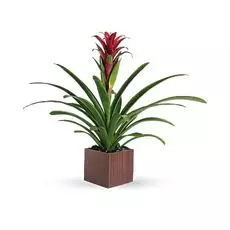
Bromeliad Beauty
Air plants and bromeliads are close family, both epiphytes built to live on very little. We don't carry loose air plants, but this is the nearest thing on our shelves: a tropical bromeliad with the same sword-shaped rosette a Tillandsia grows toward, potted in a bamboo box with river rocks. If the bloom cycle above has you curious about plants that ask for less, this is where to start.
$79.99
Shop Bromeliad BeautyFurther Reading
If air plants have you thinking beyond cut flowers, these go further into low-maintenance greenery.
Pairing an air plant with something fresh makes a stronger gift than either one alone. Browse our plants and low-maintenance arrangements or call us and we'll help you put the two together.
Shop Just Because GiftsLily's Florist USA delivers through a network of 15,000+ partner florists nationwide.
Same-day delivery when you order before 1PM weekdays or 10AM Saturdays.
Questions? Call 800-946-5457 or email [email protected]
About the Contributors
This guide was written by Dennis, with floristry guidance from Joan and a note from co-founder Andrew. Read our full story.